



B L O G
XINDA MOTOR
  1. Home
  2. Knowhow

Gear Motor Selection Guide - Precise Matching for Efficient Operation

Date:2026-01-01   Author:Shandong Xinda Motor Co., Ltd.

I. Precise Selection, Embarking on a Journey of High-Efficiency Power


In the field of industrial automation, geared motors serve as core transmission devices, and their performance directly affects the operating efficiency and stability of the entire system. Correct selection is like tailoring a perfect "power armor" for your equipment, ensuring its efficient and stable operation. Below, we'll take a closer look at the key points for selecting geared motors.


Selection Guide


Define requirements

Part 1


Before selecting a geared motor, it is essential to clarify its application scenario, required speed range, torque requirements, accuracy requirements, operating environment (such as temperature, humidity, dust, etc.), and installation method. Only by clearly understanding these requirements can we provide accurate direction for the subsequent selection process.
Part 2

Calculate load parameters


- Torque Calculation: Torque is one of the most important parameters in the selection process, as it directly affects whether the geared motor can drive the load normally. Based on the type of load (e.g., constant torque load, variable torque load) and operating conditions, the required torque is accurately calculated using appropriate formulas. For example, for applications involving lifting heavy objects, factors such as the weight of the object, lifting speed, and coefficient of friction need to be considered when calculating the torque.

- Speed Determination: Determine the required output speed based on the equipment's operating requirements. If the equipment's operating speed and transmission ratio are known, the input speed of the geared motor can be calculated using simple methods.


Select motor type

Part 3


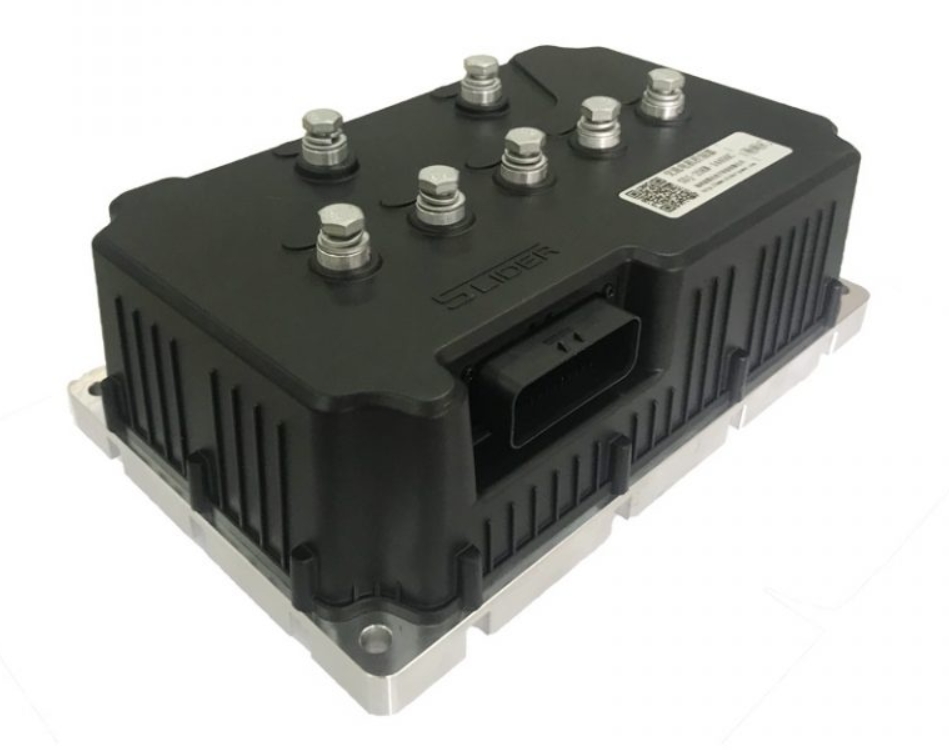
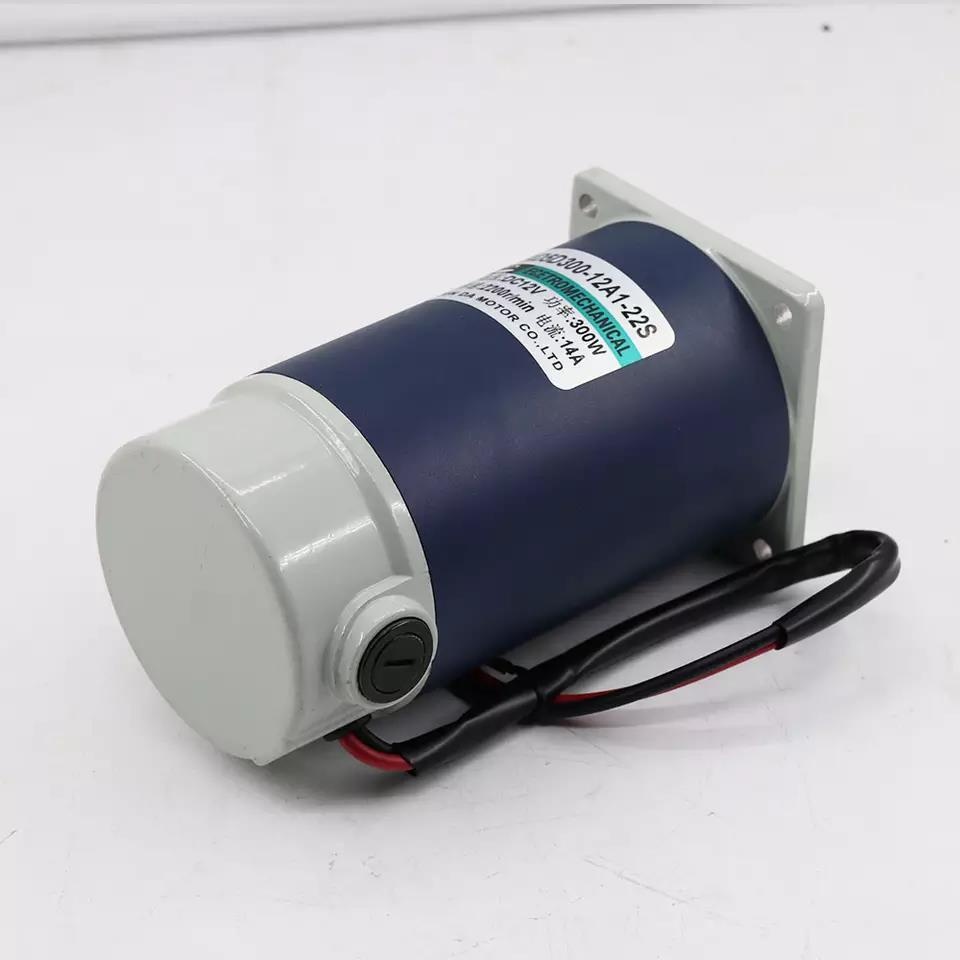
Choose the appropriate motor type based on application requirements and working environment. If your equipment has high requirements for speed regulation performance, then a DC motor or an AC variable frequency motor may be your first choice; if you need high-precision position control, a servo motor is the best option; while for general industrial applications, AC motors offer high cost-effectiveness and reliability.


Part 4

Determine the reduction ratio


The reduction ratio is a crucial parameter of a geared motor, determining the relationship between the motor's output speed and the load speed. A suitable reduction ratio is calculated based on the required input and output speeds. Simultaneously, the efficiency of the gearbox must be considered to ensure that the output torque meets the load requirements.


Verification power

Part 5


Based on the calculated torque and speed, calculate the required motor power, leaving a certain margin to ensure system reliability. In the actual selection process, the motor's overload capacity also needs to be considered to cope with possible instantaneous overload situations.


Part 6

Consider other factors


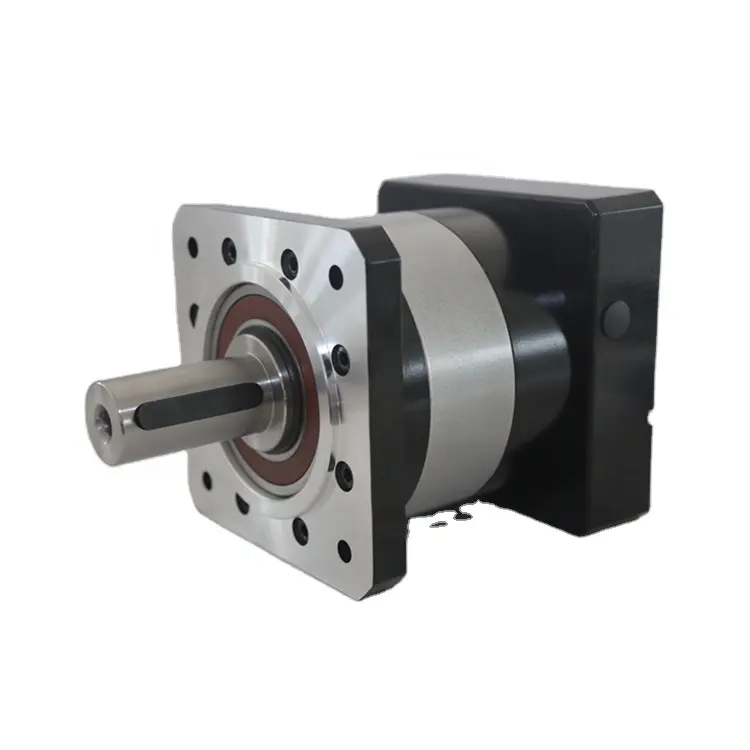
Precision requirements : If your equipment has high requirements for output speed or position accuracy, then you need to select a high-precision reducer, such as a planetary gear reducer or a harmonic gear reducer.

Space constraints : Select a geared motor of appropriate size based on the available installation space. If installation space is limited, a vertical geared motor or a miniaturized geared motor may be your best option.

Service life : Understanding the service life and maintenance requirements of a geared motor is also very important. Some high-quality geared motors have a long service life and low maintenance costs, but their price may be relatively high. When selecting a model, it is necessary to comprehensively consider the equipment's service life and cost factors to choose the product with the best cost performance.

Additional Functions : Depending on the specific application, you may also need to consider additional functions of the geared motor, such as braking, frequency conversion, frame reduction, and housing material. These additional functions can further meet the special needs of your equipment and improve its performance and reliability.


II. Different types, each displaying its unique abilities


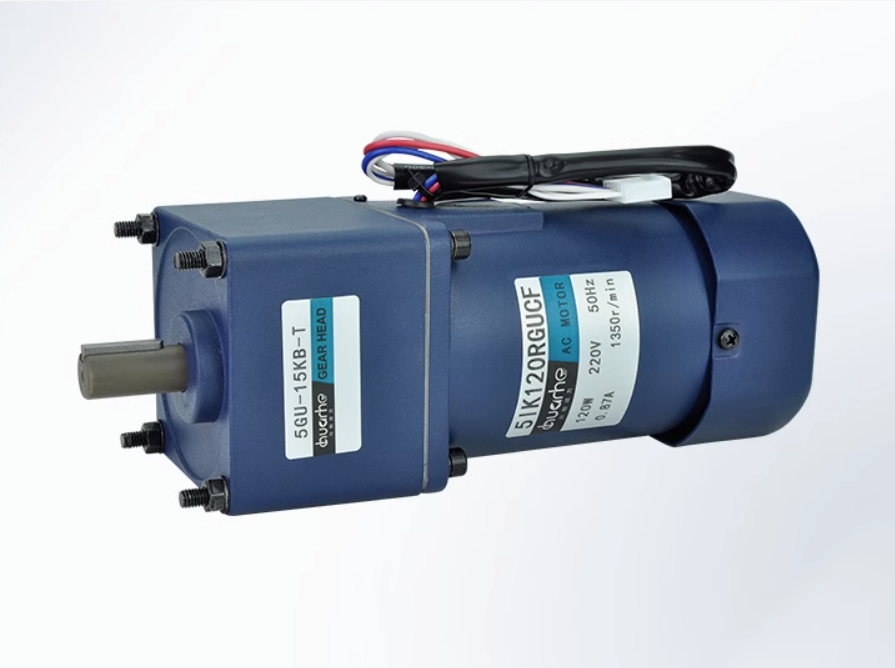
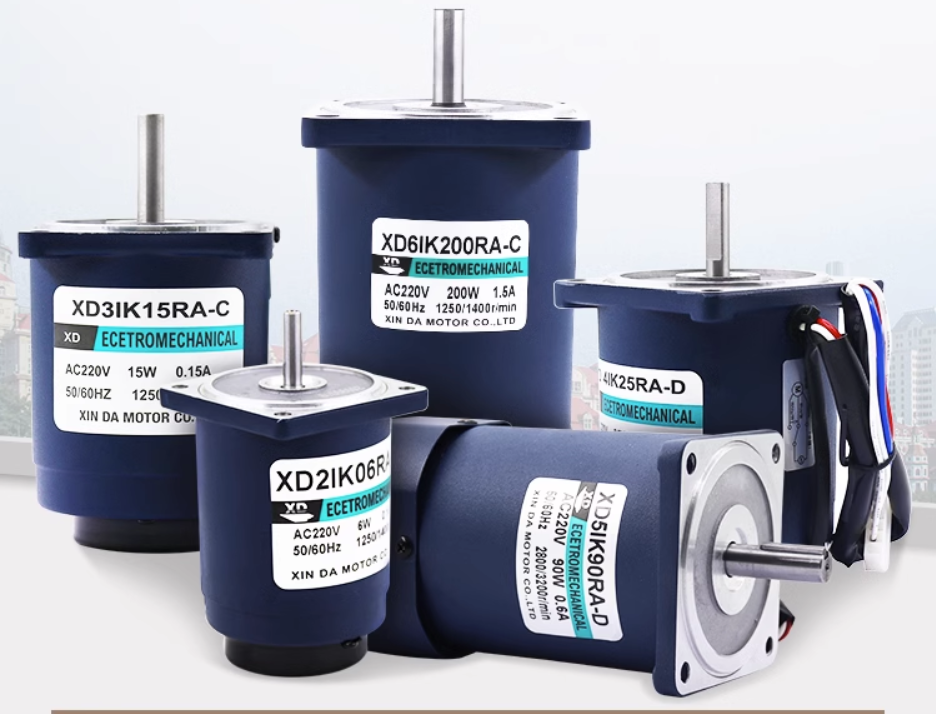
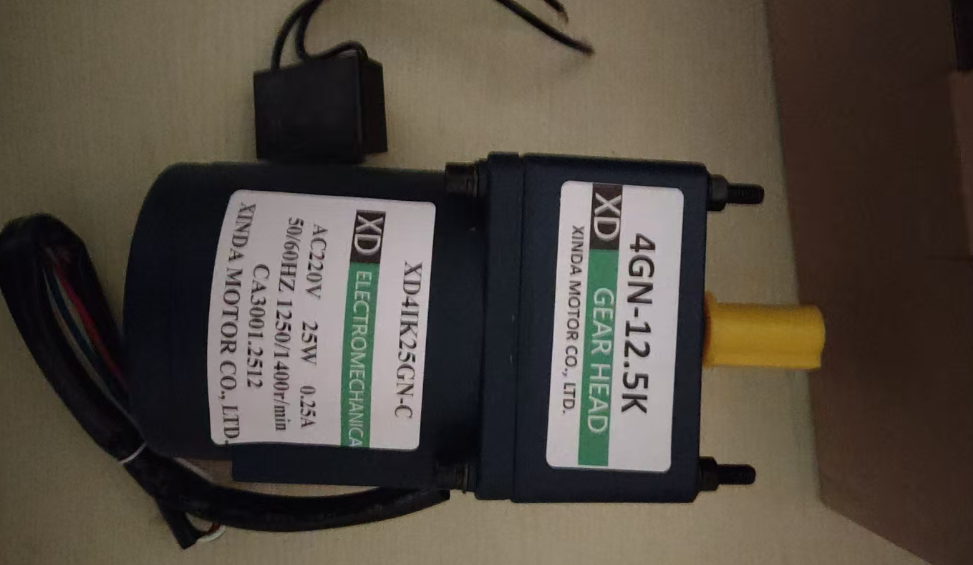
Gear motor


Different types of geared motors perform well in different application scenarios, each demonstrating its unique strengths and contributing to the development of various industries.

For example, planetary gear reducers, with their advantages of high precision, high torque, and high efficiency, are widely used in fields with high precision and performance requirements, such as automated equipment, robots, and CNC machine tools. Worm gear reducers, with their reverse self-locking function and large reduction ratio, play an important role in lifting equipment, conveying equipment, and other applications where load slippage needs to be prevented or a large reduction ratio is required. Harmonic gear reducers, due to their small size, light weight, and high precision, are widely used in industries with extremely demanding space and precision requirements, such as aerospace and medical devices.


In short, there are many types of geared motors, and the selection process is quite complex. However, as long as we consider various factors based on our actual needs, we will definitely be able to select the most suitable geared motor for our equipment. Hopefully, this article will help you gain a deeper understanding of geared motors and make the selection process easier.