














So this is how a geared motor works
The advancements in robotics today are astonishing. The close coordination of its components ensures the precision of repetitive actions and the reliability of completing technological tasks, prompting curiosity about their transmission systems. Those familiar with industrial control systems will often notice the indispensable use of geared motors in various applications such as amusement park rides, airport baggage handling, automated conveying systems and automated parking systems. So, how exactly do these geared motors work?
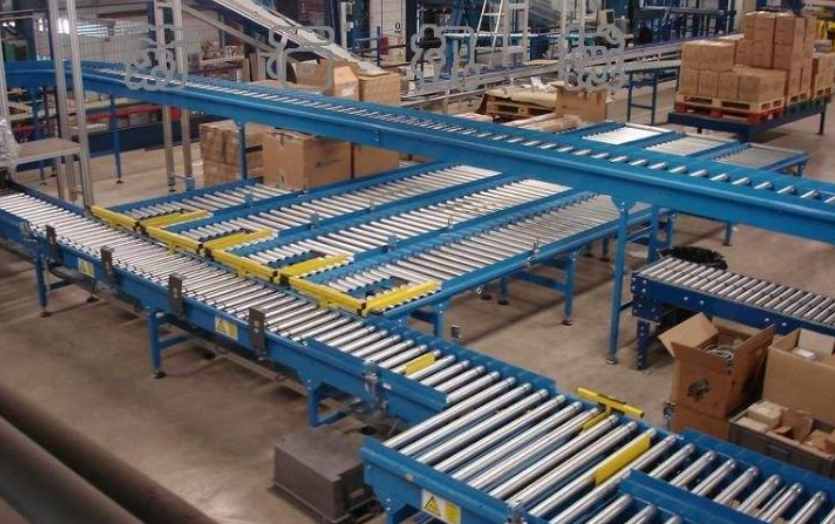
Gear motors are used in conveyor equipment

Gear motors are used in amusement equipment
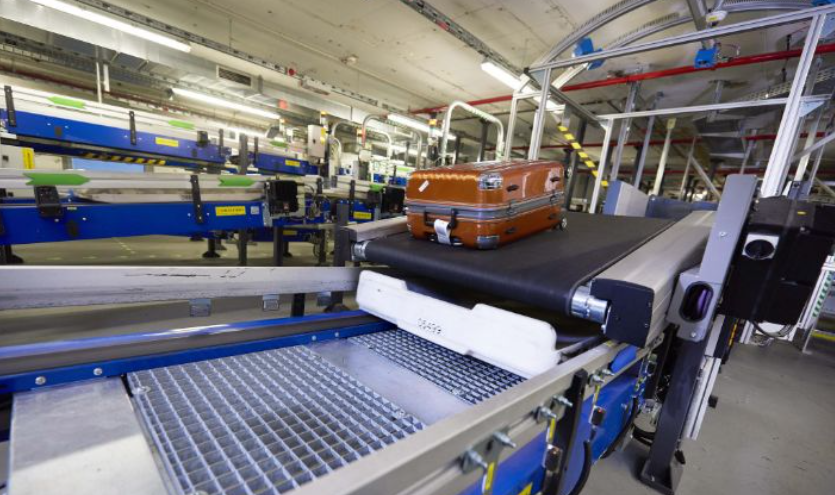
Geared motors are used for airport baggage handling.
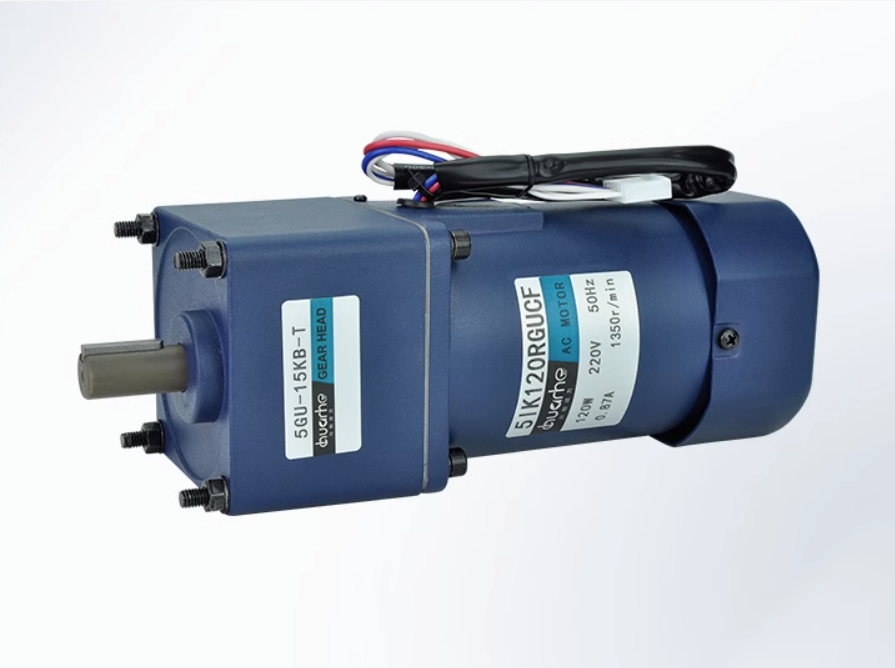
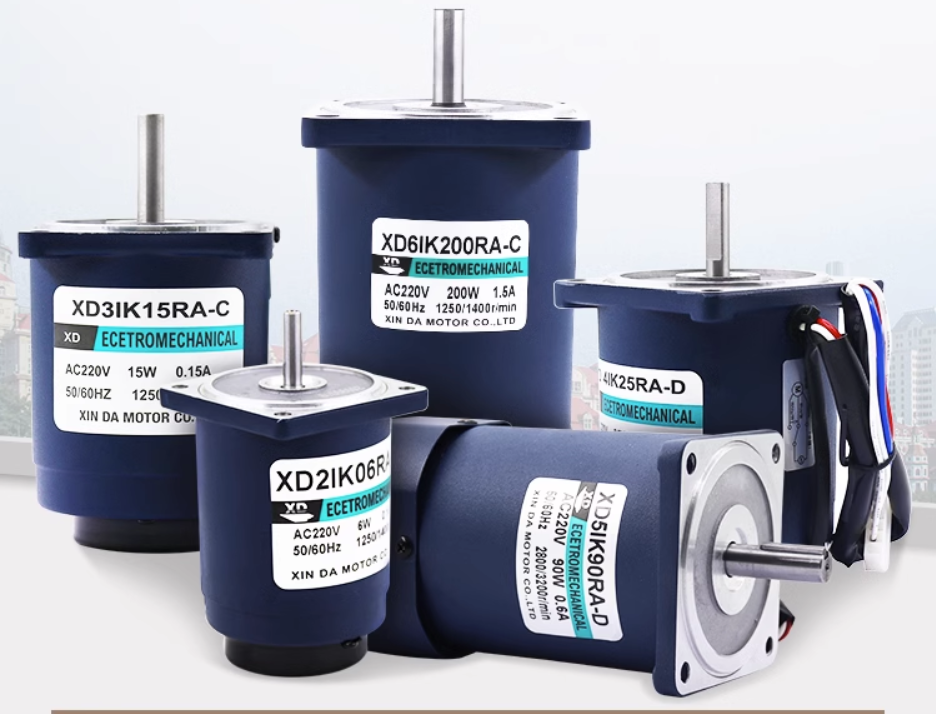
Gear motor
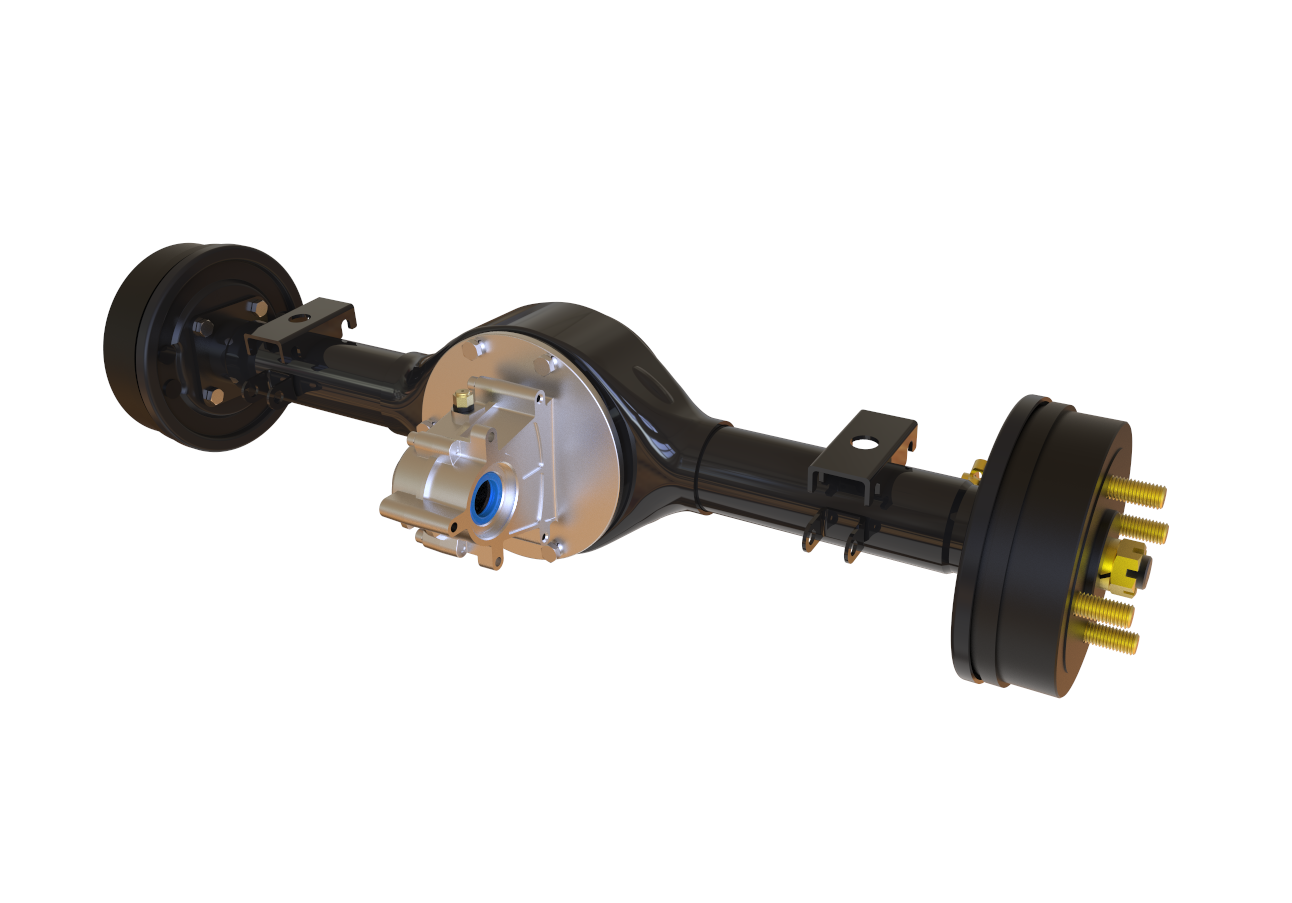
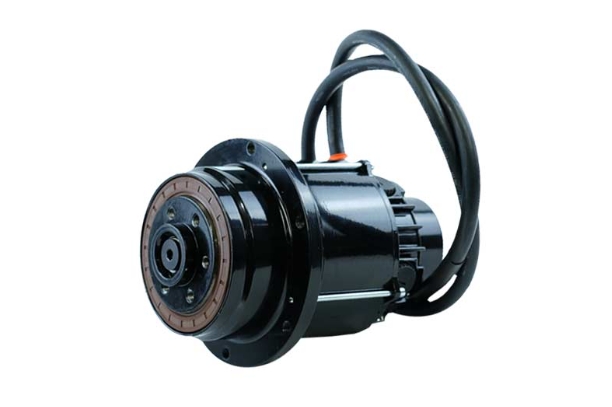
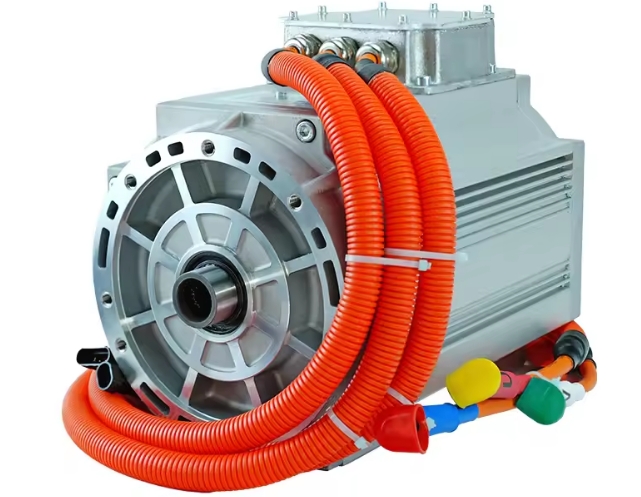
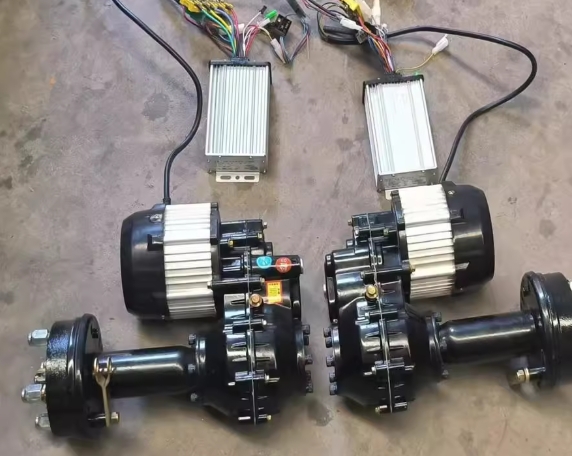
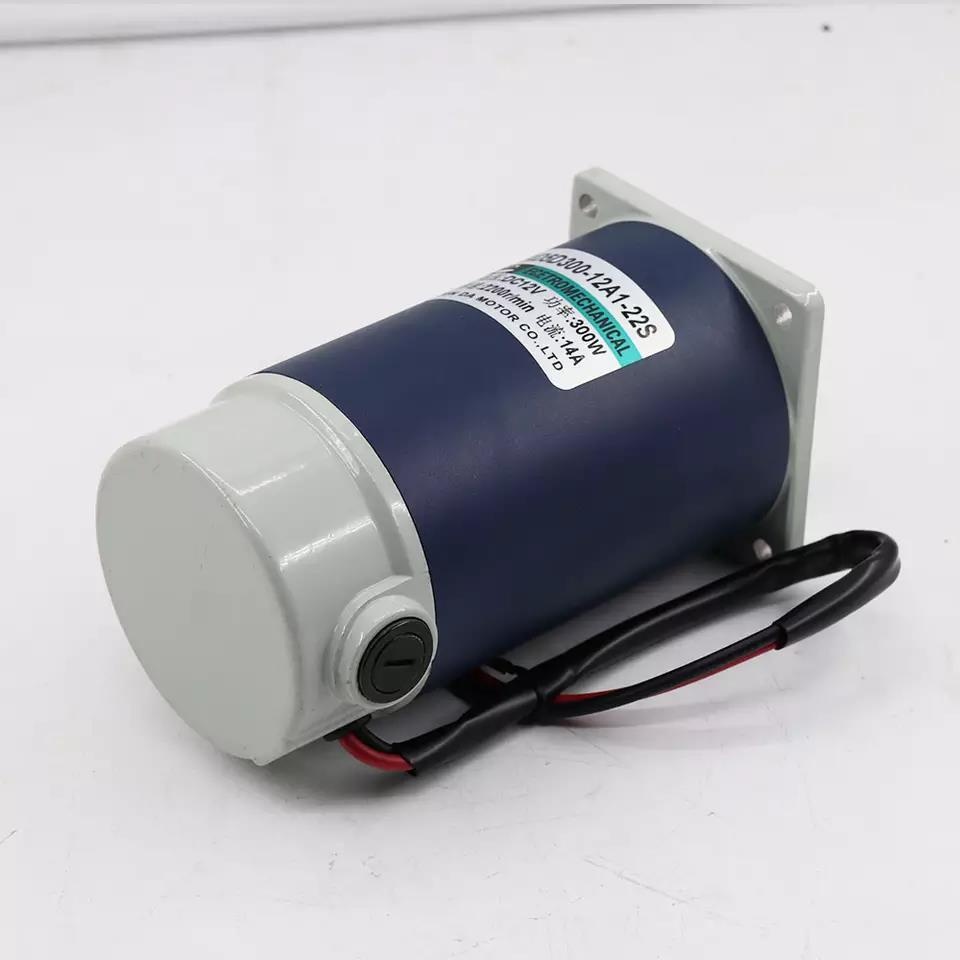
A geared motor is an integrated unit of a speed reducer and a motor. It is also commonly referred to as a geared motor or geared motor. Basically, it is supplied as a complete set after being integrated and assembled by the speed reducer manufacturer.
Working principle of a geared motor:
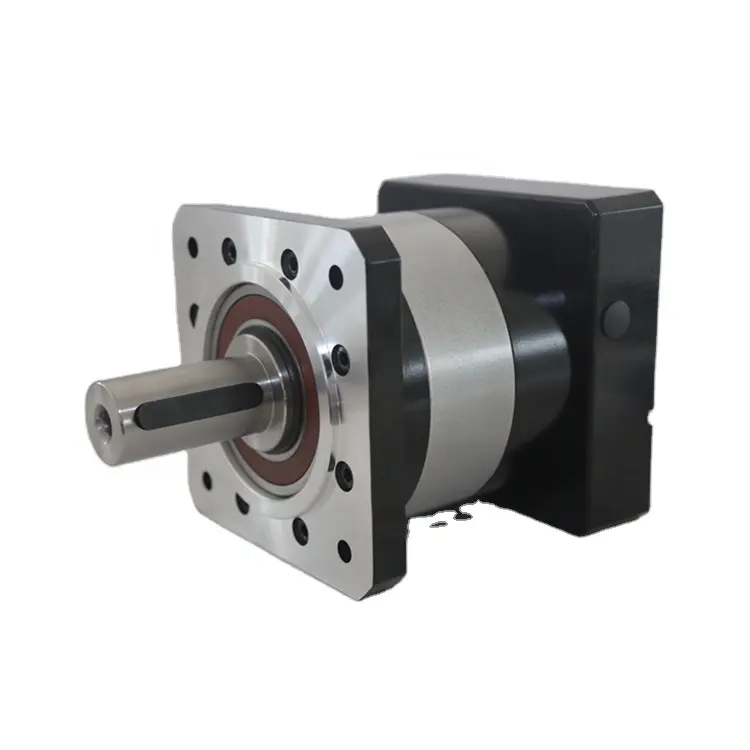
Its working principle is to significantly reduce the speed of the electric motor by passing the power of the motor through a gear (or worm gear) reducer, thereby increasing the output torque of the geared motor to meet the needs of the mechanical equipment. This power transmission device has a crucial core function – “power amplification and speed reduction”. It achieves this by using gears (or worm gears) at various stages of transmission; the reducer itself is composed of gear pairs at various stages.
Classification of geared motors:
The most commonly used types of gear motors are: coaxial helical gear reducers; parallel shaft helical gear reducers; bevel gear-helical gear reducers; and bevel gear-worm gear reducers.
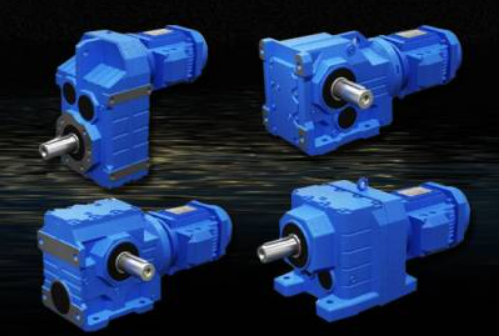
Four major series of helical gear reducer motors
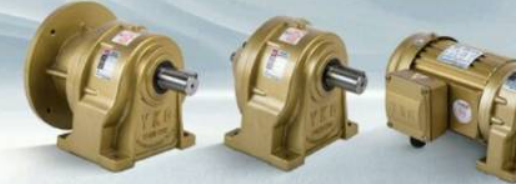
Four series of soft gear reducers
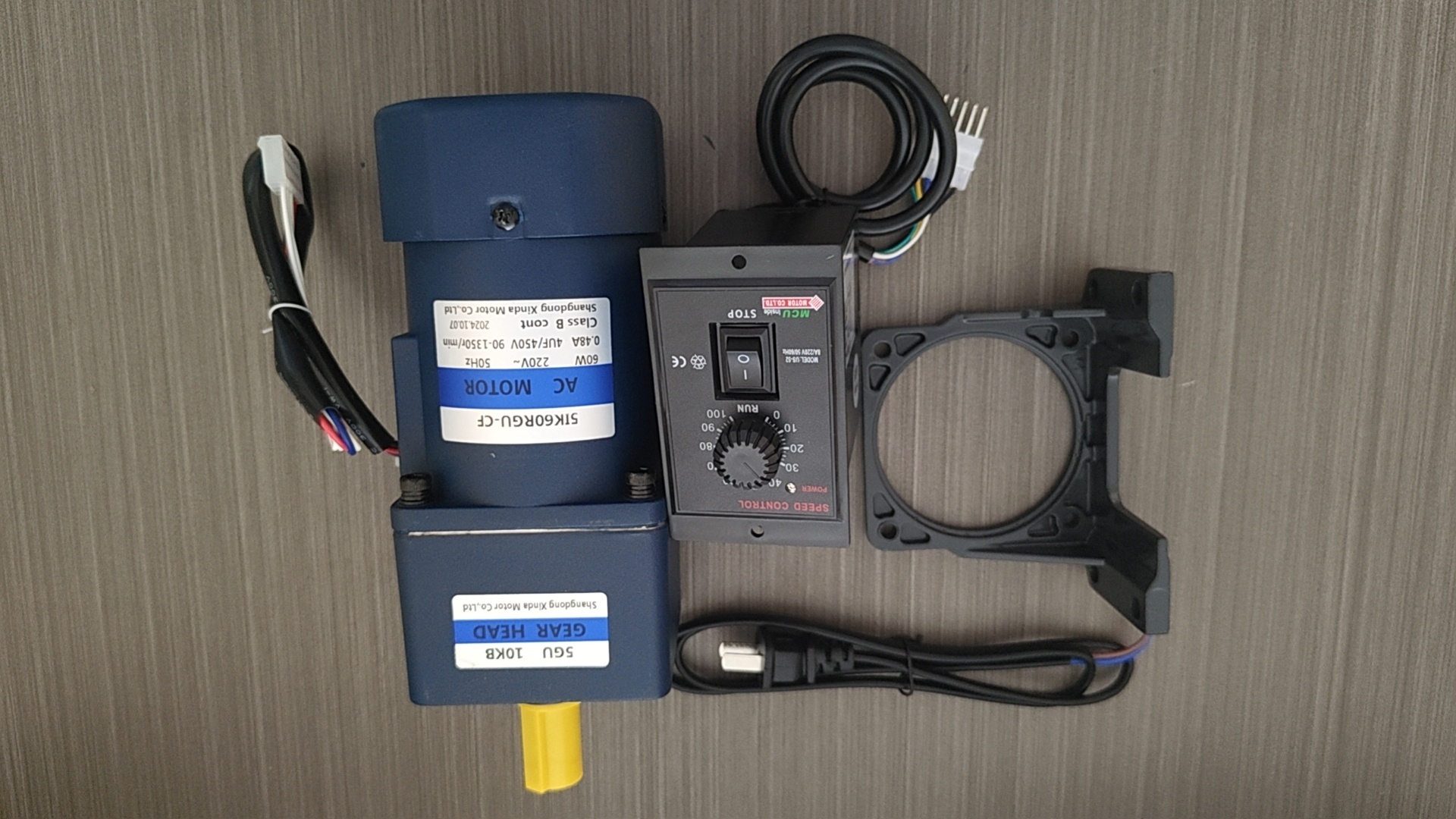
Miniature Gear Reducer Motors
Gear motors mainly have the following three functions:
1. Reduce speed: The required speed, commonly referred to as output speed, is achieved by reducing the motor speed through a reduction gearbox;
2. Increase torque: Under the same power conditions, the slower the output speed of a geared motor, the greater the torque, and vice versa;
3. Change the direction of transmission: For example, a bevel gear reducer motor can transmit torque at a 90-degree angle.
 XINDA
XINDA