









Key points for selecting high and low voltage motors in practical applications
Based on the principles of "matching operating conditions and optimizing cost-effectiveness," motor selection should focus on three core dimensions to avoid selection errors:
1. Load power matching: Lock the voltage level according to the rated power of the equipment. For low-power and conventional loads, low-voltage motors are preferred to avoid waste of resources. For high-power and heavy-load starting loads, high-voltage motors are directly matched to prevent the problem of excessive line voltage drop caused by the high current of low-voltage motors, which cannot drive the load or the motor burns out due to long-term undervoltage and overload operation. This ensures stable and reliable operation of the equipment.
2. Select motor type based on power supply distance: For short power supply distances and equipment installed close to the power supply cabinet, prioritize low-voltage motors to reduce procurement and maintenance costs; for long power supply distances, distributed power supply within the factory area, and long cable laying, prioritize high-voltage motors to reduce line loss, reduce cable investment, and improve power supply efficiency.
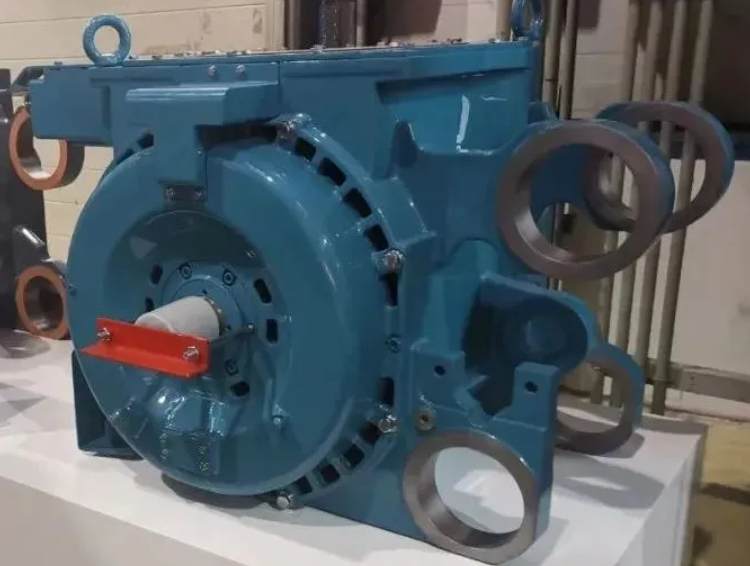
3. Matching the site environment and operating conditions: For special environments such as explosion-proof, humid, dusty, and corrosive environments, special motors with corresponding protection levels should be selected; for normal operating conditions with light load and intermittent operation, low-voltage motors should be selected first; for operating conditions with heavy load impact, continuous operation in all weather and high reliability requirements, high-voltage motors should be selected first to ensure long-term stable operation.
In summary, high-voltage and low-voltage motors are two types of core power sources adapted to different production needs. Neither is inherently superior or inferior; their differences lie only in their suitability for specific scenarios. Accurately understanding the performance characteristics and applicable boundaries of these two types of motors is crucial for making appropriate selections, ensuring efficient operation, and maintaining controllable costs, thereby providing continuous and reliable power support for industrial production.
 XINDA
XINDA