














Why do motors with the same power output vary so much in size?
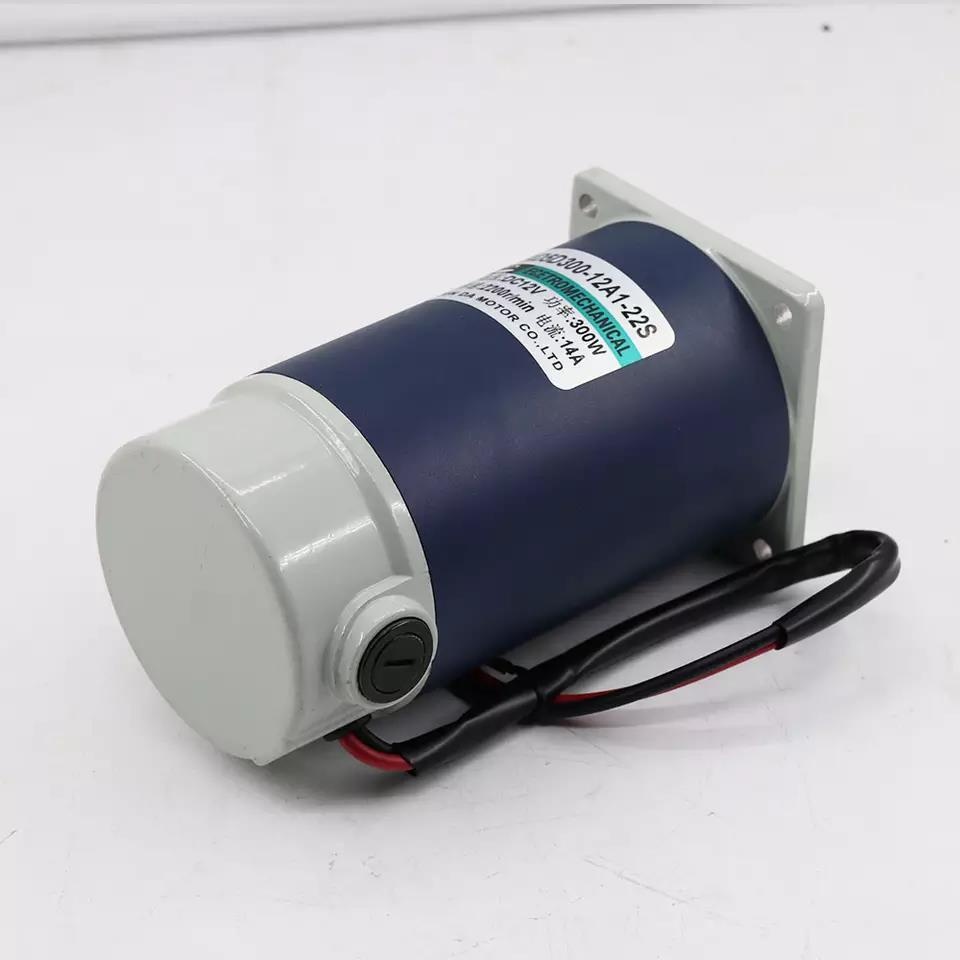
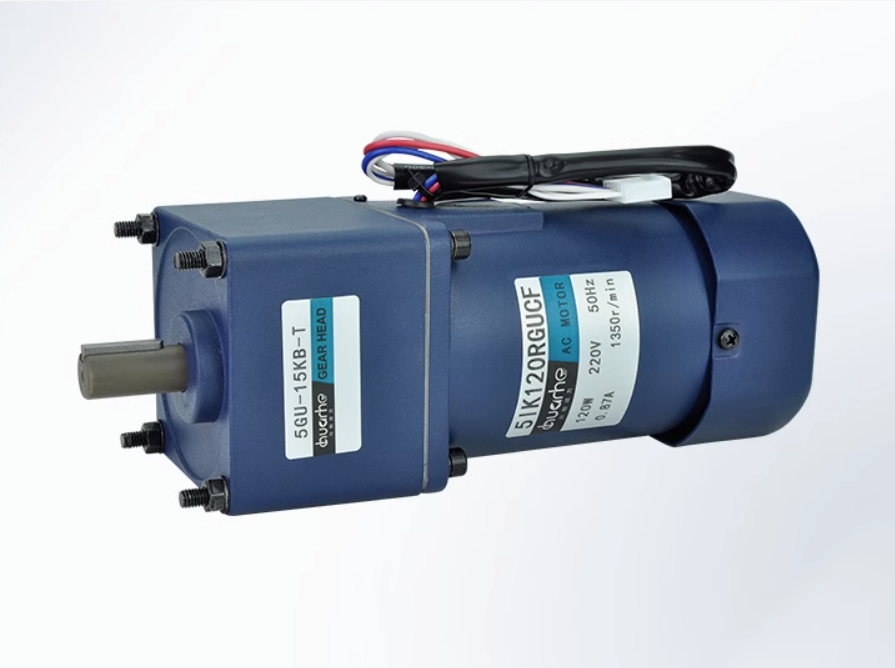
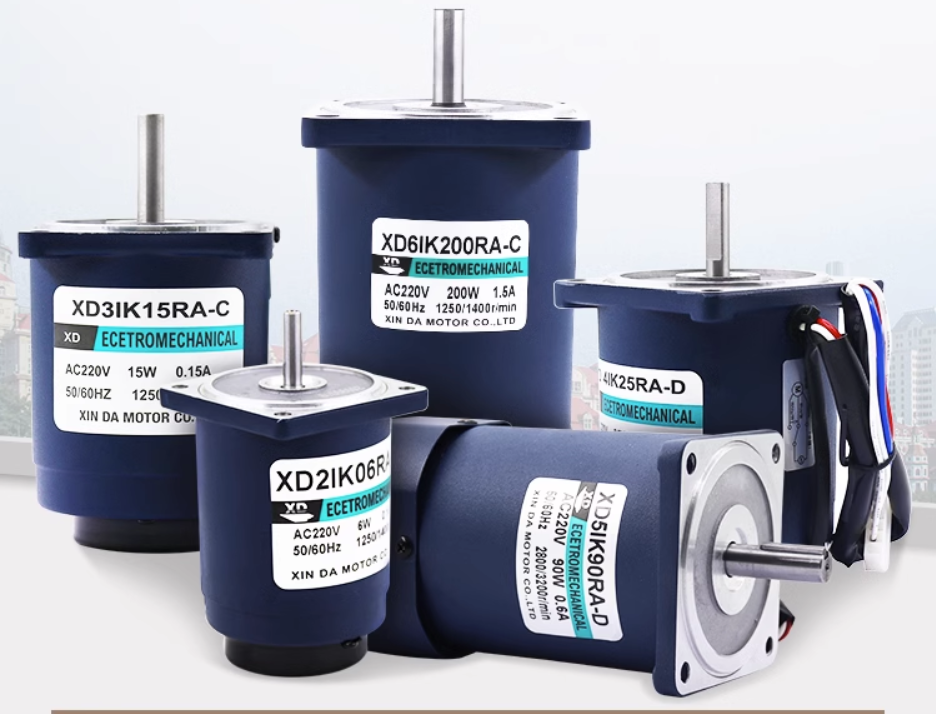
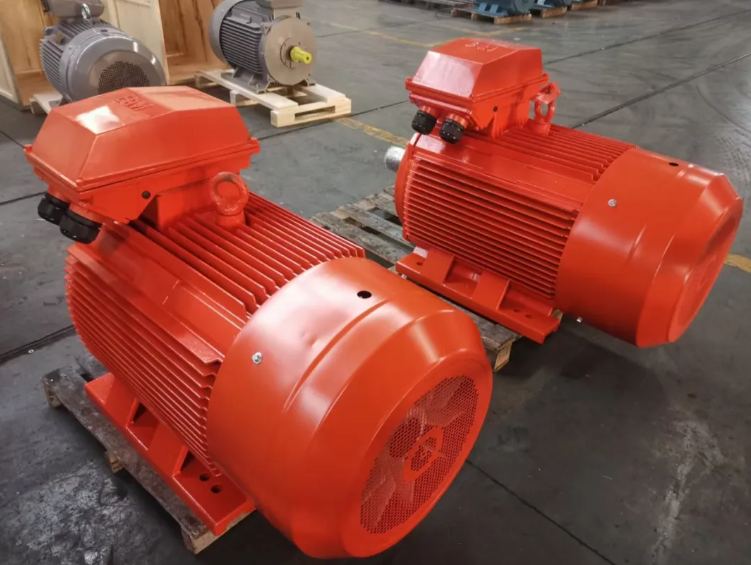
Most industrial motors are used in equipment where the motor's size requirements are not particularly stringent. Therefore, industrial motors tend to be relatively large. This allows for greater freedom in the selection of electromagnetic wire, core materials, and other conductor materials. During product design, adjustments to the motor's size can optimize and meet performance indicators such as temperature rise and efficiency. In other words, due to the relative flexibility in installation, industrial motors are not as demanding in terms of power density, and there are fewer constraints on the motor's wiring direction, cooling methods, and other factors affecting its size and shape.
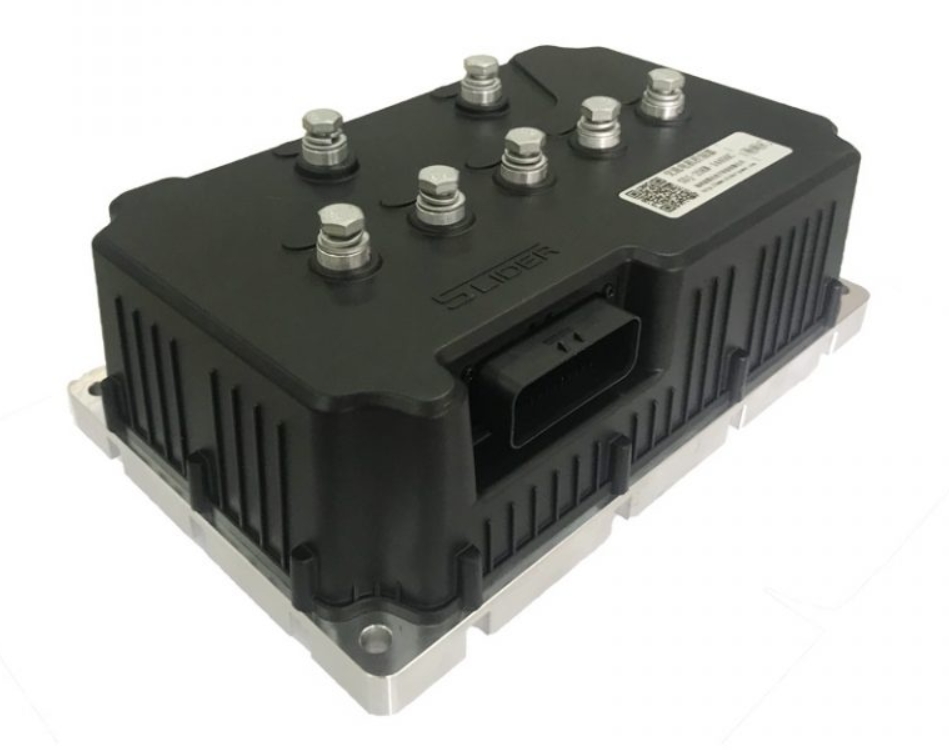
For automotive motors, the overall requirements for vehicle space and performance enhancements severely limit the space available for the motor. Therefore, the only way to achieve a good match with the vehicle body is to maximize the motor's power density. Currently, the power density of automotive motors is around 3.5-4 kW/kg, and this figure is expected to increase further with the popularization of new energy vehicles and continuous advancements in motor technology. Consequently, automotive motors require meticulous design and material selection. Compared to ordinary industrial motors, the requirements for electromagnetic wire selection, winding type improvement, motor core material control, and permanent magnet material selection are much higher, especially given the increased range requirements of electric vehicles, which place even greater demands on the motors used in their production.
Therefore, due to the different application characteristics of automotive motors and ordinary industrial motors, there will be significant differences in the requirements for size.
 XINDA
XINDA