











New Opportunities for the Motor Industry Under Carbon Peak: Eliminating Inefficient Motors, Promotin
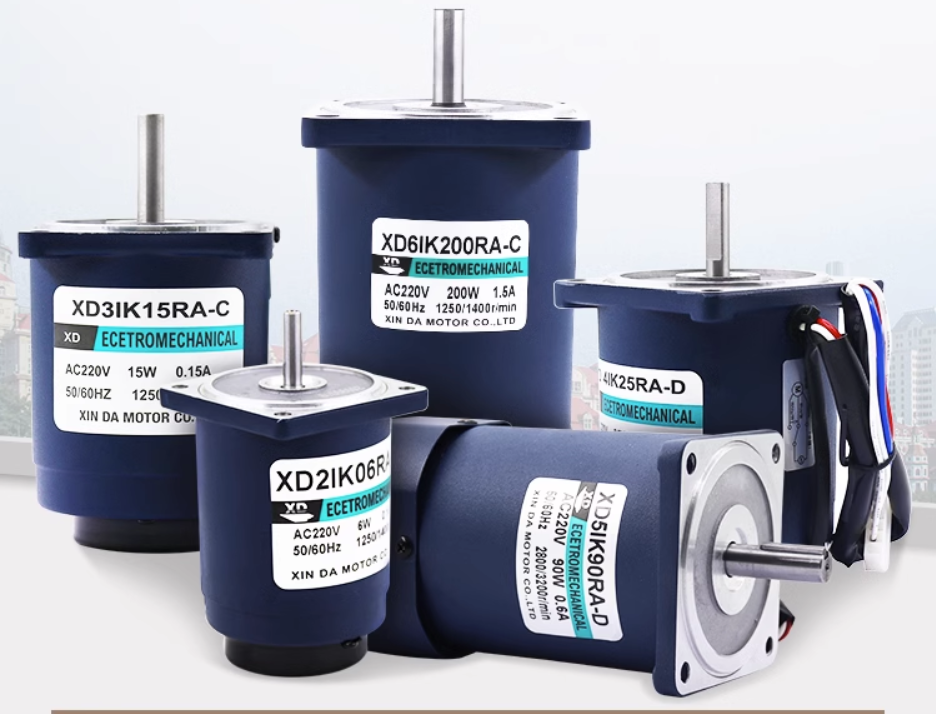
The "15th Five-Year Plan for Carbon Peaking" was recently officially implemented, outlining medium- and long-term carbon reduction targets across multiple dimensions, including energy transition, industrial low-carbon transformation, and the circular economy. Motors , as the most energy-intensive general-purpose equipment in industrial settings, were repeatedly highlighted throughout the plan. From coal-fired power plant infrastructure and energy-saving transformation across all industrial sectors to the recycling and remanufacturing of used motors, a comprehensive policy system for green upgrading of motors has been rolled out, providing a clear development direction for upstream and downstream enterprises and manufacturing plants in the motor industry.
In the area of clean coal substitution and low-carbon transformation of coal-fired power plants, the plan explicitly proposes the research and development and widespread adoption of high-efficiency and energy-saving coal-fired power units and their auxiliary equipment. As a pillar of domestic power supply, coal-fired power plants rely on electric motors for their core auxiliary equipment, such as fans and pumps. Replacing these motors with high-efficiency and energy-saving ones can directly reduce the power consumption of coal-fired power plants, thereby reducing coal combustion and carbon emissions. This is also an important energy-saving measure for the transformation of coal-fired power into a regulating power source.
The plan targets all high-energy-consuming industries, including cement, flat glass, petrochemicals, and general manufacturing, and sets mandatory energy-saving renovation targets:
● In the cement and glass industries, kiln production lines have undergone comprehensive upgrades and renovations, replacing high-energy-consuming equipment such as motors, water pumps, fans, and transformers, while eliminating outdated models that do not meet energy efficiency standards, thereby reducing process power consumption from the production end.
● The petrochemical and chemical industries have carried out system energy-saving renovations on core units such as oil refining, olefins, and ethylene glycol, focusing on upgrading motors, air compressors, and power transmission and distribution systems, while simultaneously optimizing waste heat recovery and steam power systems to achieve a significant reduction in overall energy consumption.
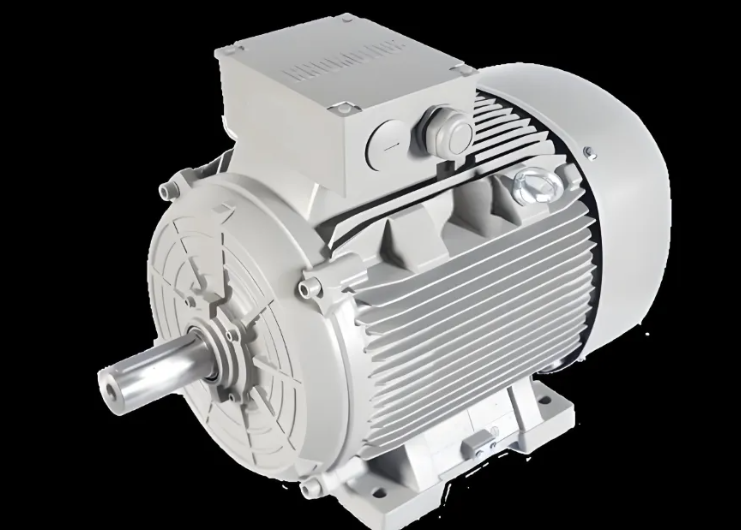
● The general industry uniformly requires all large-scale industrial enterprises to focus on upgrading general-purpose power-consuming equipment such as motors, fans, pumps, and compressors, and comprehensively improve the energy efficiency standards for equipment access. The policy clearly requires vigorous promotion of high-efficiency and energy-saving motors and the elimination of high-energy-consuming and low-efficiency old motor equipment within a specified period. This is a core measure for the manufacturing industry to achieve the "15th Five-Year Plan" targets for reducing energy consumption per unit of added value and carbon emissions.
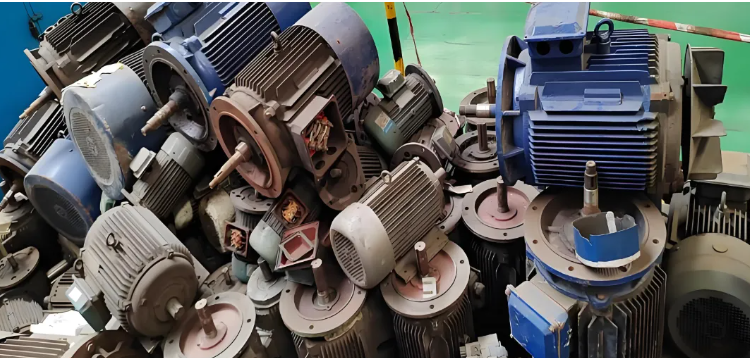
Carbon reduction involves more than just equipment upgrades; resource recycling is also a key focus. The plan proposes improving the recycling system for renewable resources within the circular economy framework. In addition to power batteries and wind and solar power equipment, it specifically establishes channels for recycling used motors and vigorously develops the motor remanufacturing industry. Dismantling old motors and repairing and remanufacturing core components can significantly reduce carbon emissions from the new mining and smelting of raw materials such as steel and copper, forming a low-carbon closed loop for industrial equipment: "elimination-recycling-remanufacturing-reuse."
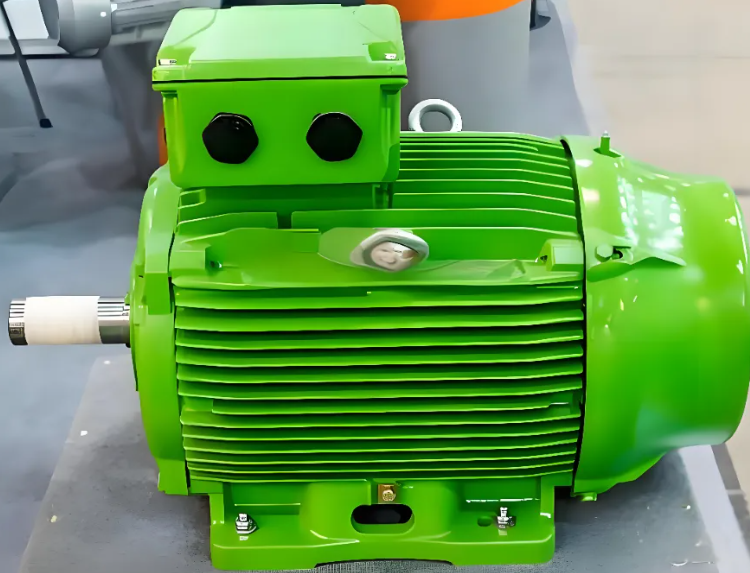
Based on all the relevant deployments of the 15th Five-Year Plan for Carbon Peak Response, upstream and downstream enterprises and factories of motors can seize three core opportunities:
● Replacement Market : A large number of old and inefficient industrial motors across the country are entering a concentrated replacement cycle, and the demand for high-efficiency and energy-saving motors will continue to be released.
● Multi-track supporting needs : Coal power, building materials, chemical industry and new energy supporting scenarios all require high-efficiency special motors, and the market for customized motors is expanding;
● Recycling and Remanufacturing Sector : Waste motor recycling and motor remanufacturing are policy-supported circular economy industries with long-term development potential.
 XINDA
XINDA