











Tea Packaging Machine Structure and working principle
Date:2025-11-27 Author:Shandong Xinda Motor Co., Ltd.
Tea packaging machines are a broad concept, encompassing everything from simple manual sealing machines to fully automatic machines that integrate weighing, bagging, vacuuming, and sealing. Here, we will use the most common and feature-rich "fully automatic tea inner packaging machine" (typically used for small tea bags or pre-packaged tea) and "tea vacuum packaging machine" as examples.
---
I. Structure of a Tea Packaging Machine
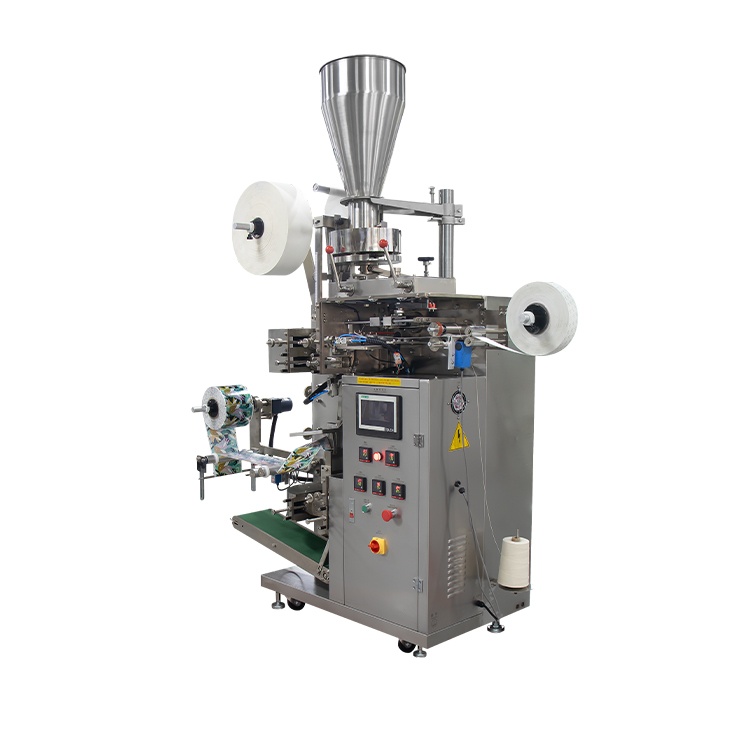
A typical fully automatic tea packaging machine (such as a vertical packaging machine) mainly consists of the following systems:
1. Feeding System
· Storage Hopper: Used to store loose tea leaves to be packaged.
· Measuring Device: This is the key component ensuring consistent weight for each package. Common types include:
· Volumetric Measuring Cup: Controls the feeding amount by adjusting the cup's volume; relatively fast, but slightly less accurate.
· Screw Measuring Device: Precisely feeds by controlling the number of screw rotations; suitable for powders or small granules.
· Electronic Scale: The most accurate measuring method; uses a weight sensor to control feeding; used for high-value teas. 2. Bag Making and Traction System
* **Wrap-up Holder:** Used to mount rolled packaging film (such as plastic composite film, aluminum foil film, etc.).
* **Former:** A core mechanical component that rolls the flat film into a cylindrical shape using a specific geometry (e.g., elephant trunk shape).
* **Longitudinal Sealing Device:** Heat-seals the longitudinal seams of the rolled packaging film.
* **Traction Rollers:** A pair of clamping rollers, driven by stepper or servo motors, intermittently pull the packaging film downwards to form individual bags.
3. Filling and Sealing System
* **Feeding Port:** The metered tea leaves fall into the formed packaging bags through this port.
* **Transverse Sealing and Cutting Device:** This is another core component.
* **Transverse Sealer:** Typically a pair of grippers with heating strips. After filling, it simultaneously heat-seals the top and bottom ends of the packaging bag laterally. The top horizontal seal seals the top of the current bag, while the bottom horizontal seal simultaneously seals the bottom of the next bag.
* **Cutter:** Usually integrated into the horizontal sealer, it cuts the bag in the middle after horizontal sealing, separating it into individual finished packaging bags.
4. Power and Transmission System
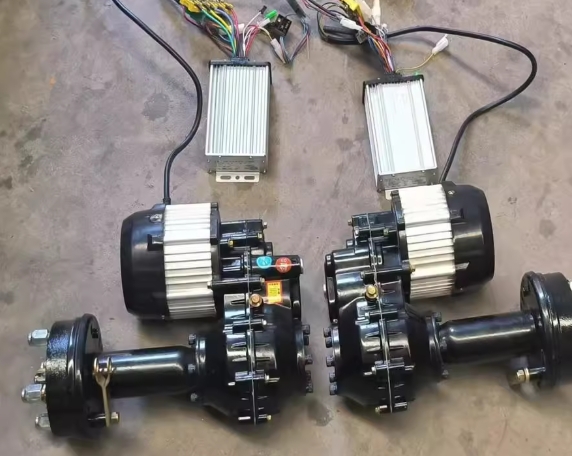
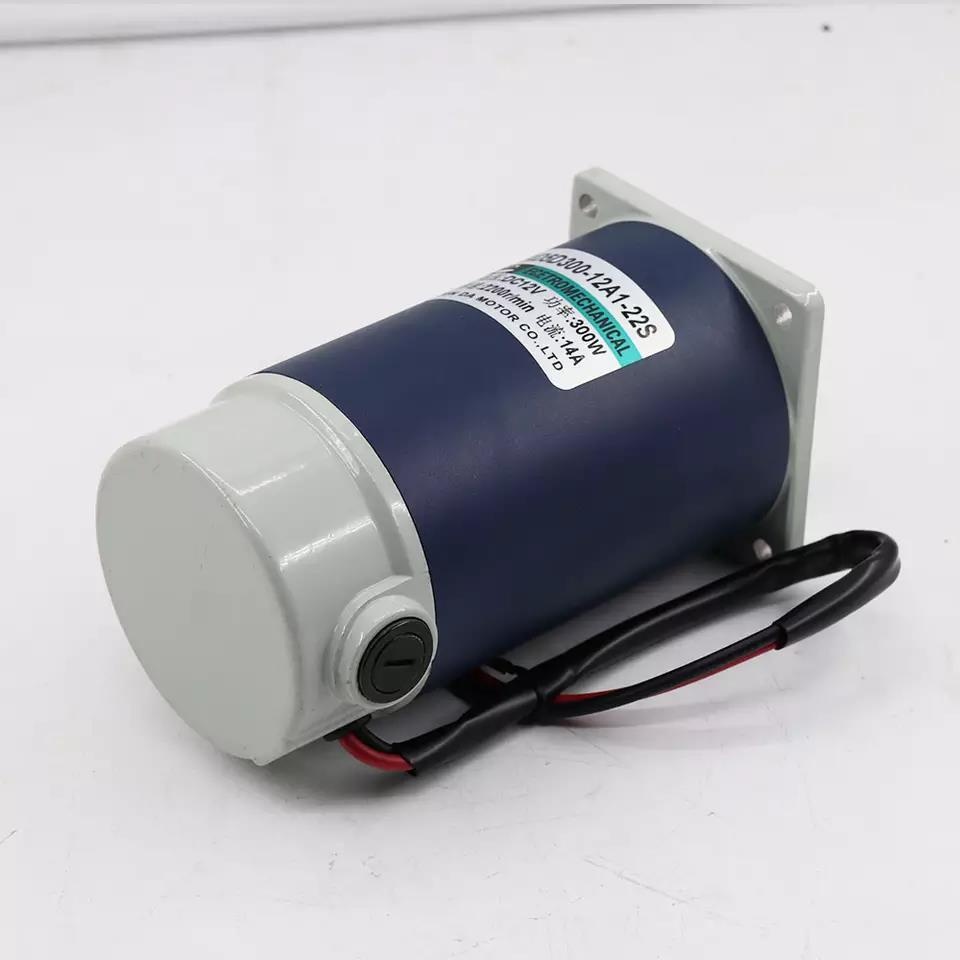
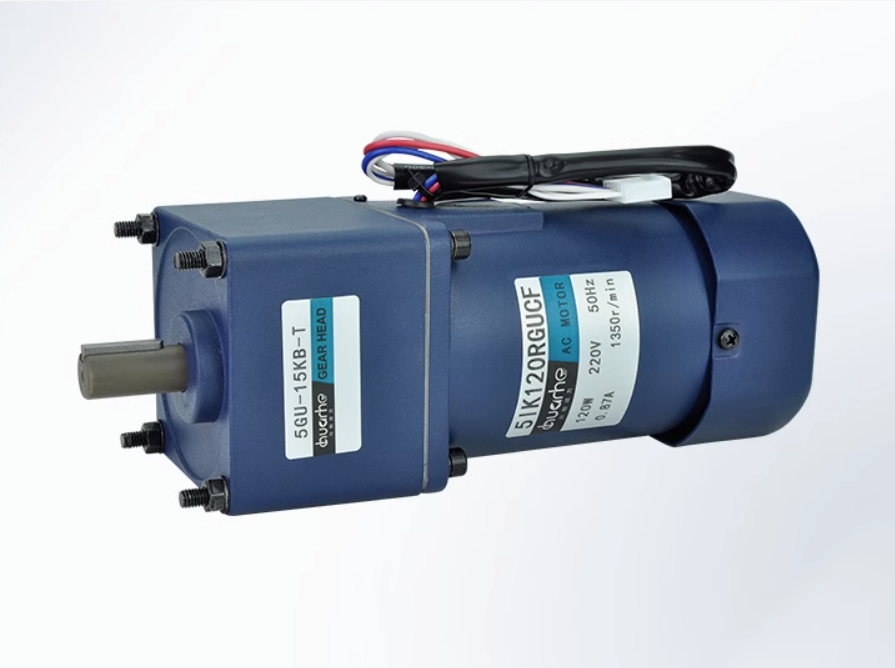
* **Motor:** Provides power, typically a servo motor or stepper motor, ensuring precise control.
* **Transmission Mechanism:** Includes belts, chains, gears, cams, etc., converting the motor's rotational motion into specific mechanical actions required for traction, horizontal sealing, etc.
5. Control System
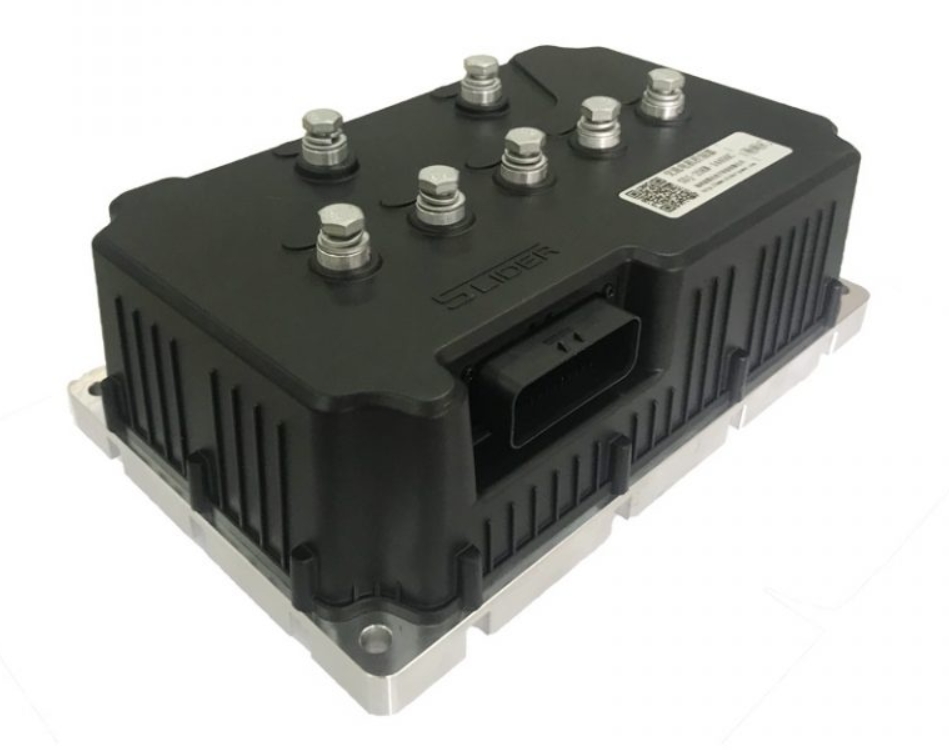
* **PLC (Programmable Logic Controller):** The machine's brain, receiving signals from various sensors and directing all actuators (such as motors, cylinders, heaters) to work collaboratively according to a preset program.
* **Human-Machine Interface (Touchscreen):** Used to set parameters such as packaging weight, packaging speed, sealing temperature, etc., and to display machine operating status and fault information.
* **Sensors:** Such as photoelectric sensors (for detecting film label positioning, material position), temperature sensors, etc.
For tea vacuum packaging machines, the structure is relatively simple, but a vacuum system is added:
* **Vacuum Chamber:** A sealed cavity that can be opened and closed, where the tea leaves in the packaging bag are placed.
* **Upper/Lower Heat Seal Strips:** Located inside the vacuum chamber, used for sealing.
* **Vacuum Pump:** The core component, used to extract air from the vacuum chamber.
* **Airbag (Optional):** Inflated after vacuuming, applying pressure to the tea bag to prevent the tea leaves from puncturing the packaging and to create a smoother appearance.
---
II. Working Principle of Tea Packaging Machines
Let's look at its workflow based on the above structure. It's a cyclical process:
Fully Automatic Tea Inner Packaging Machine (Vertical Packaging Machine) Workflow:
1. Film Traction and Bag Forming:
* **Packaging Film Roll:** The packaging film is pulled out, passes through the forming device, and is automatically rolled into a cylindrical shape.
* **Longitudinal Sealing Device:** The longitudinal seam of the cylindrical film is immediately heated and sealed, forming a three-sided sealed, top-open cylindrical bag.
2. Positioning and Pausing:
• The traction roller pulls the film downwards a distance equal to the length of a bag.
• Photoelectric sensors detect the marker points on the film, ensuring the pattern on each bag stops in the correct position.
• The film stops moving, and the machine enters the filling stage.
3. Quantitative Filling:
• A metering device (such as a measuring cup or screw) accurately fills the pre-measured tea leaves into the pre-formed packaging bags through the feed inlet.
4. Horizontal Sealing and Cutting:
• The horizontal sealing device moves downwards, clamping the packaging bag.
• A horizontal seal is performed on the top of the filled bag as the top seal; simultaneously, a horizontal seal is performed on the bottom of the filled bag as the bottom seal for the next empty bag.
• A cutter integrated in the middle of the horizontal sealer quickly cuts the two packaging bags apart in the middle.
• The finished bags fall and are collected. New empty bag cylinders are ready, and the cycle returns to step 2.
Tea Vacuum Packaging Machine Working Process:
1. Bagging: Manually place the tea-filled packaging bag (open) into the vacuum chamber and lay the bag opening flat on the heat-sealing strip.
2. Closing: Press the start button; the machine's top cover automatically closes and tightens, sealing the vacuum chamber.
3. Vacuuming: The vacuum pump starts, rapidly extracting air from the vacuum chamber, including the packaging bag.
4. Sealing: Once the preset vacuum level or evacuation time is reached, the heat-sealing strip is heated, applying pressure and heat-sealing to the packaging bag opening under vacuum.
5. Breaking the Vacuum and Removing the Bag: The vacuum pump stops, outside air re-enters the vacuum chamber (breaking the vacuum), the top cover automatically opens, and the manually removed tea bag is vacuum-sealed.
Summary
Machine Type | Main Structural Features | Core Working Principle | Applicable Scenarios
Fully Automatic Tea Inner Packaging Machine | Forming device, metering device, longitudinal/transverse sealing mechanism | Continuous bag making → filling → sealing and cutting, high-speed automated production | Small tea bags, quantitative small packaging (e.g., 5g, 8g per bag)
Tea Vacuum Packaging Machine | Vacuum chamber, vacuum pump, heat sealing strip | Vacuuming → heat sealing, ensuring tea freshness | Large bag packaging of loose tea (e.g., 100g, 250g per bag), tea requiring long-term storage
Hopefully, this detailed explanation will help you fully understand the structure and working principle of tea packaging machines.
 XINDA
XINDA