











The structure and working principle of an electric massage chair
Date:2025-11-30 Author:Shandong Xinda Motor Co., Ltd.
This is a complex product integrating mechanical engineering, electronic technology, and software algorithms, designed to simulate human hand massage and provide users with a relaxing and comfortable experience.
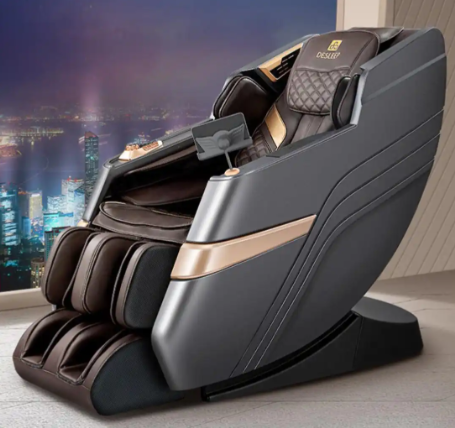
I. Main Structure of an Electric Massage Chair
You can think of an electric massage chair as an intelligent robot composed of a "skeleton," "muscles," "nerves," and a "brain."
1. Mechanical Frame and Main Structure (Skeleton)
This is the supporting foundation of the massage chair, usually constructed of high-strength steel or aluminum alloy.
· Main Frame: Forms the basic shape of the chair and supports all other components.
· Backrest Mechanism: Allows the backrest to recline, achieving postures such as zero gravity.
· Leg Extension Mechanism: Driven by a motor, automatically adjusts the length of the calf support to accommodate users of different heights.
· Base and Casters: The bottom support structure, usually equipped with casters for easy movement.
2. Drive and Transmission System (Muscles)
This part is responsible for generating and executing movements.
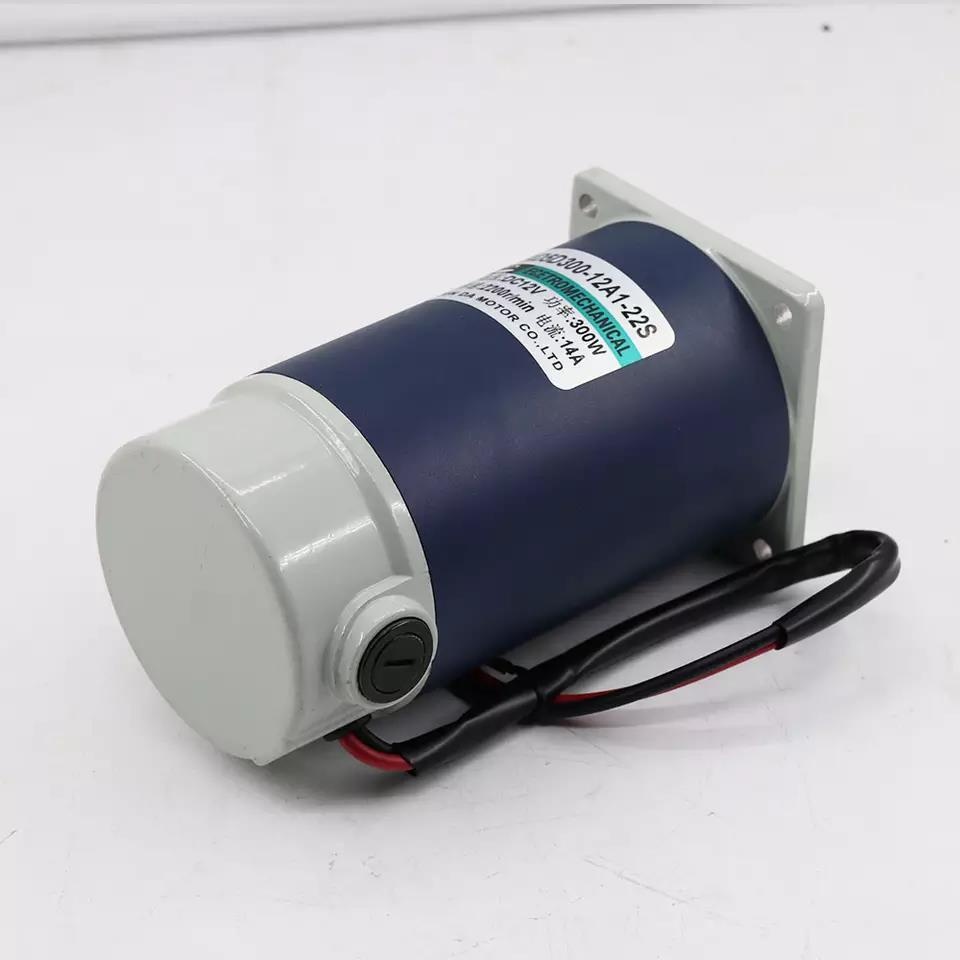
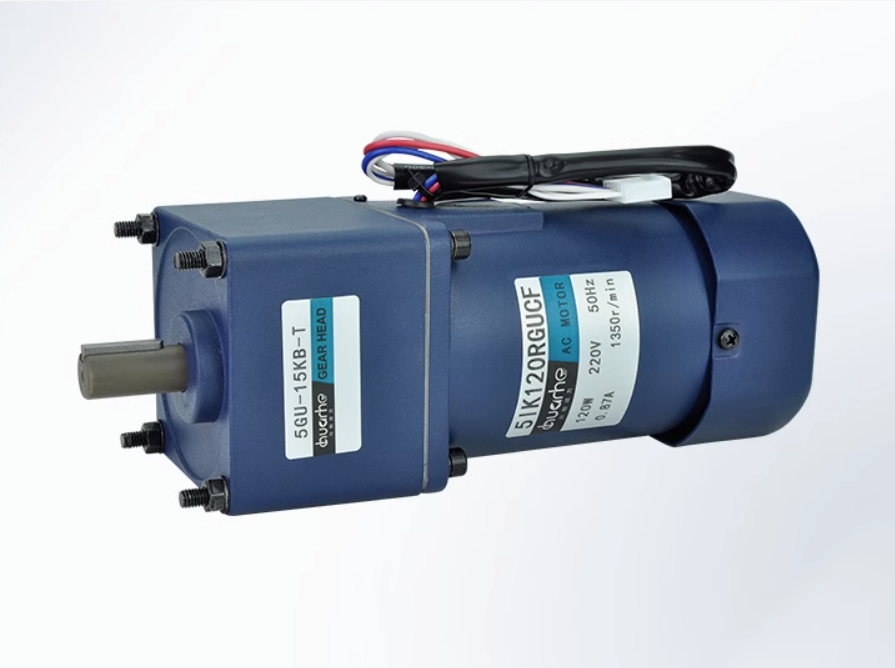
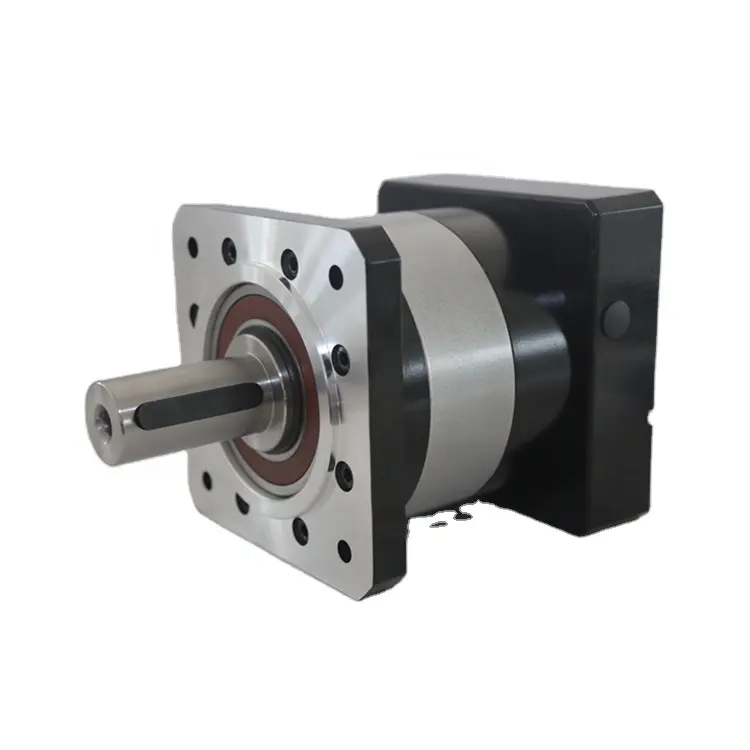
* **Motor:** The "heart" of the massage chair, providing power. Depending on the function, multiple motors may be included:
* **Kneading Motor:** Drives the kneading mechanism.
* **Tapping Motor:** Drives the tapping mechanism.
* **Walking Motor:** Drives the mechanism up and down on the guide rail.
* **Kneading Motor:** Controls the inflation and deflation of the airbags.
* **Posture Adjustment Motor:** Controls the backrest angle, footrest height adjustment, and extension/retraction.
* **Guide Rail:** The "track" for the mechanism's movement, determining the massage range. Mainly divided into:
* **S-shaped Guide Rail:** Conforms to the natural curve of the back, massaging from the shoulders and neck to the waist.
* **L-shaped Guide Rail:** An extended version of the S-shaped rail, capable of massaging the buttocks and groin.
* **SL-shaped Guide Rail:** Currently the mainstream technology, combining the fit of the S-shaped rail with the length of the L-shaped rail, offering the optimal solution from the shoulders to the thighs. • Massage Mechanism: The "hands" of the massage chair, the core execution component. Divided into:
• 2D Mechanism: Can move and massage in a two-dimensional plane (up and down, left and right), performing basic movements such as kneading and tapping.
• 3D Mechanism: Adds a forward and backward extension dimension to the 2D mechanism, enabling a "push-out" massage with deeper pressure, more realistically simulating the "grasping" sensation of a human hand.
• 4D Mechanism: Does not add a new physical dimension, but rather, based on the 3D mechanism, uses more advanced algorithms and motor control to achieve smooth, adaptive changes in massage speed, intensity, and rhythm, feeling even closer to a human hand.
3. Execution and Sensing System (Touch and Sensory Acuity)
This part directly contacts the user's body, performing the massage and collecting information.
• Massage Rollers/Ball Heads: The contact points at the front of the mechanism, usually made of soft silicone or plastic, directly contacting the body.
• Airbags: Distributed in the shoulders, arms, hips, calves, and feet. Inflation and deflation create a squeezing massage, promoting blood circulation.
* Air pump: Provides air to the airbags.
* Solenoid valve: Controls airflow, precisely managing the inflation and deflation of each airbag.
* Heating device: Typically built into areas such as the lower back, heating pads generate heat through resistance wires to help relax muscles.
* Body detection sensors: The "eyes" of the massage chair. Using infrared or pressure sensors, they automatically detect the user's shoulder position, height, and back curve, allowing the massage mechanism to accurately target acupoints and sore spots.
4. Control and Power Supply System (Brain and Nerves)
This is the command center of the massage chair.
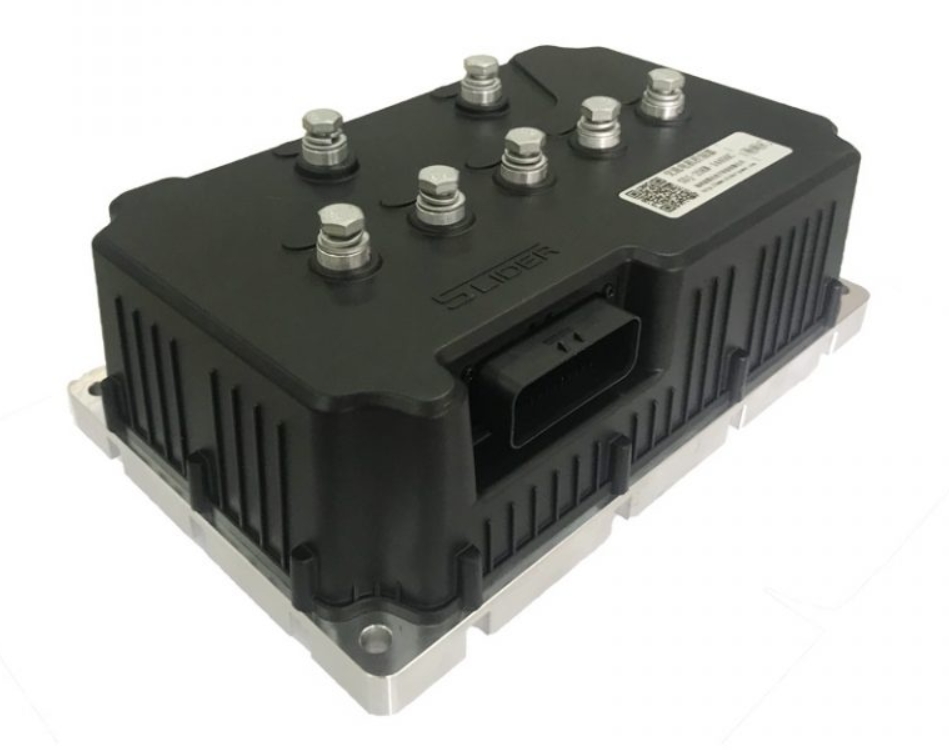
* Main control board (MCU): The "brain" of the massage chair, receiving instructions and sensor signals, and issuing commands to the various motors and air valves.
* Power supply board: Converts household alternating current (AC) into direct current (DC) required by the massage chair. • Handheld Controller: The interface through which the user interacts with the massage chair. It can be a wired or wireless remote control, featuring various preset programs and customizable options.
• Internal Wiring Harness: The "neural network" connecting all electronic components.
---
II. Working Principle of an Electric Massage Chair
Its workflow is a typical "perception-decision-execution" closed-loop system.
1. Initialization and Body Detection (Perception)
After the user sits down and the chair is activated, it first performs body detection. The massage mechanism moves from bottom to top or top to bottom, while sensors simultaneously detect the user's shoulder position and back contour. This data is transmitted to the main control board in real time.
2. Program Selection and Command Issuance (Decision)
The user selects a preset program (such as "relaxation mode," "knock mode," "yoga stretching," etc.) via the handheld controller or makes manual settings. The main control board calls the corresponding program algorithm stored in the chip.
3. Collaborative Execution and Precise Massage (Execution) The main control board precisely controls the collaborative work of various components based on the selected program and body detection data:
• Mechanism Movement: The "walking motor" drives the mechanism along the guide rail to a designated position (e.g., the shoulder). Then, the "kneading motor" and "tapping motor" activate, combining with the forward and backward extension of the 3D/4D mechanism to simulate complex techniques such as kneading, tapping, acupressure, and massage.
• Airbag Compression: The main control board sequentially triggers solenoid valves in different areas to inflate and deflate specific airbag groups, creating a cyclical compression effect to relax the limbs.
• Heating Function: The heating device is activated when needed to provide warmth.
• Posture Adjustment: In "zero gravity" or "stretching" mode, the posture adjustment motors work synchronously to adjust the angle of the backrest and leg rest, placing the body in an optimal relaxation state.
4. Feedback and Adjustment (Closed Loop) Throughout the massage process, the system continuously monitors parameters such as motor current, indirectly sensing massage resistance. In advanced models, it fine-tunes the intensity based on the user's real-time feedback, providing a more intelligent experience.
Summary
The essence of an electric massage chair is a sophisticated mechatronic system. It acquires user body data through sensors, with the main control board acting as the brain for calculations and decisions. This then directs the motors and pneumatic systems distributed throughout the "whole body," driving the motor mechanism and airbags—the "skillful hands"—to ultimately present the user with a highly simulated, comfortable massage experience on the expansive "stage" of the SL-shaped guide rail.
Hopefully, this detailed analysis helps you fully understand the inner workings of an electric massage chair.
 XINDA
XINDA